

x

The Plant Tissue Culture Laboratory is a fully controlled, sterile, and contamination-free environment where researchers and students receive training in the fundamental principles and practical techniques of plant tissue culture. Under strict adherence to hygiene and laboratory safety standards, trainees learn essential procedures including:

  • Preparation and selection of plant explants
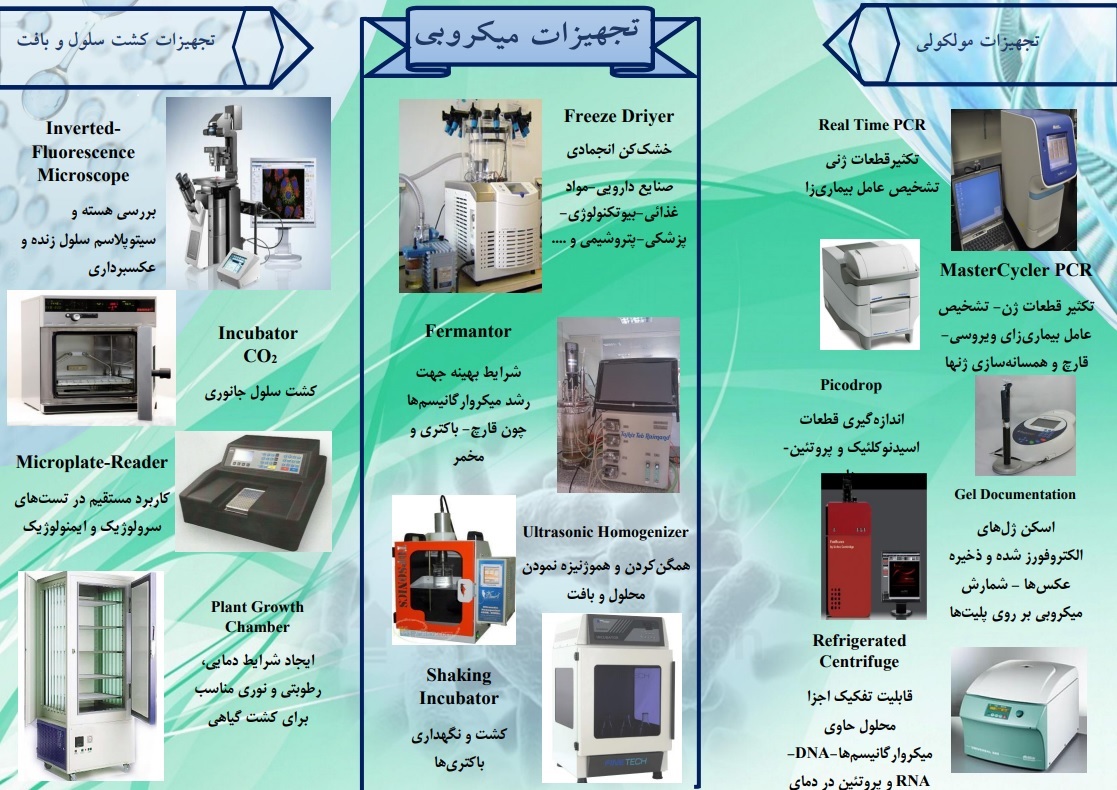
What is Cell Culture?

Cell culture is one of the most important techniques in cell and molecular biology, as it provides a controlled platform for studying the biology, biochemistry, physiology (e.g., aging), and metabolism of both normal (wild-type) and diseased cells.

The Microbiology Laboratory is one of the few laboratory units that operates largely independently of fully automated analyzers and advanced automated systems. Due to its reliance on hands-on processing of clinical specimens and definitive diagnostic interpretation, this department requires continuous daily supervision by a qualified specialist to ensure that all diagnostic variables are carefully controlled and that results remain accurate and reliable under established quality control programs.

Molecular testing focuses on detecting specific DNA or RNA sequences associated with particular health conditions. When properly performed, molecular assays are highly accurate. In some cases, molecular testing can confirm a preliminary clinical diagnosis.

Several techniques can detect the presence of target genetic material within a cell, each operating through slightly different principles. Examples of techniques used in a molecular laboratory include:

The use of chemical substances in irrigation systems—referred to as chemigation—has been experimentally applied in past decades, particularly for the application of chemical fertilizers. One of the primary reasons for adopting chemigation is its economic cost-effectiveness. Generally, applying chemicals through irrigation water is significantly less expensive than many alternative fertilization methods. This approach not only meets the nutritional requirements of plants but also minimizes environmental pollution.

The Plant Health Biotechnology and Bioinformatics Engineering Group adopts an interdisciplinary and advanced science–based approach to the study, analysis, and improvement of plant health from the molecular to the systems level. Focusing on key challenges in plant pathology, the group provides innovative, data-driven solutions for the identification, monitoring, and management of pests, diseases, and stresses affecting crop plants.

تحت نظارت وف بومی