


The use of chemical substances in irrigation systems—referred to as chemigation—has been experimentally applied in past decades, particularly for the application of chemical fertilizers. One of the primary reasons for adopting chemigation is its economic cost-effectiveness. Generally, applying chemicals through irrigation water is significantly less expensive than many alternative fertilization methods. This approach not only meets the nutritional requirements of plants but also minimizes environmental pollution. In chemigation systems, chemicals are supplied only when needed, and in hydroponic systems, only minimal amounts of chemicals exit the greenhouse or cultivation environment, thereby reducing environmental contamination.
In hydroponic substrates, due to the inert nature of the root environment, all plant nutritional requirements must be supplied through nutrient solutions delivered by various methods. Additional advantages of this approach include reduced risk to operators and decreased overall chemical usage.
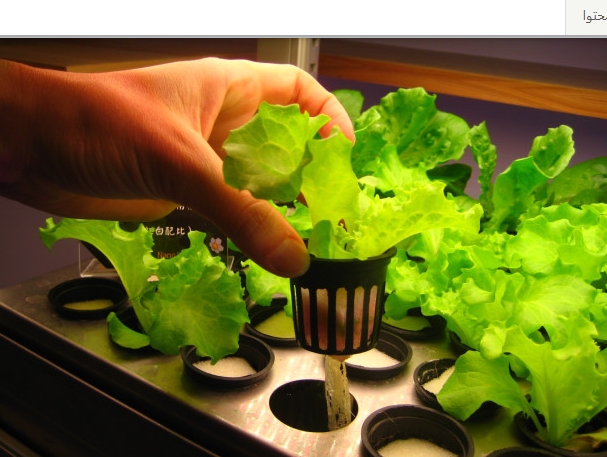
Definition of Soilless (Hydroponic) Culture
Hydroponics, or soilless cultivation, is a technology for growing plants in nutrient solutions that provide all essential elements required for plant growth, with or without the use of a solid substrate.
Soilless culture is a general term encompassing all cultivation methods in which plants are grown in media other than soil, including water culture, sand culture, gravel culture, aeroponics, pipe systems, and others. The term “hydroponics” was first used in the United States and is synonymous with soilless cultivation.
In essence, soilless culture is a technology in which mineral substrates (such as sand, perlite, rockwool, expanded clay, pumice, volcanic ash, etc.), organic substrates (such as peat moss, bark, wood fiber, rice husk, coconut fiber, sawdust, etc.), artificial substrates (e.g., foam products), mixed substrates, or even no substrate at all are used to supply all essential nutrients required for optimal plant growth.
Historical Background
The earliest reported example of plant cultivation using water-based methods dates back to the Hanging Gardens of Hanging Gardens of Babylon, one of the Seven Wonders of the Ancient World, followed by the Aztec floating gardens in Central America.
In 1937, William Frederick Gericke introduced the term “hydroponics” for growing plants in nutrient solutions. The word derives from the Greek words hydro (water) and ponos (work). Earlier contributors to the development of hydroponic systems included Jan Baptist van Helmont, John Woodward, and Nicolas-Théodore de Saussure.
The first mineral nutrient solutions were formulated in 1860 by two German botanists, Julius von Sachs and Wilhelm Knop.
In 1975, Allen Cooper introduced the Nutrient Film Technique (NFT), which is now widely used in hydroponic greenhouses worldwide.
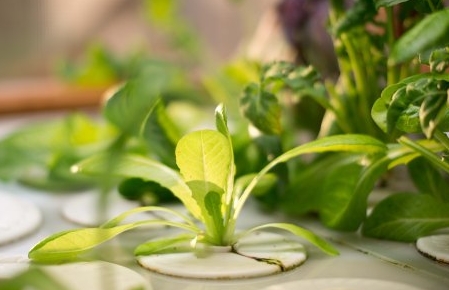
Objectives of Hydroponic Cultivation
-
Production of fresh fruits and vegetables in arid, rocky, swampy, or otherwise non-arable lands
-
Utilization of abandoned spaces such as warehouses and garages
-
Continuous production of forage crops for small livestock units
-
Significant water savings in water-scarce regions
-
Increased yield of off-season vegetables and flowers in greenhouse production
-
Improved predictability of yield and enhanced product quality
-
Reduced incidence of soil-borne and parasitic plant diseases
-
Lower labor costs due to elimination of soil-related operations
Growing Media
A growing medium is the environment in which plant roots develop and from which they obtain water and nutrients. An effective growing medium acts as a water reservoir. Its structure influences water absorption during irrigation and water retention capacity. A good substrate should simultaneously maintain adequate water retention and proper air–water balance to support root respiration.
Ideal Characteristics of Soilless Media
-
Chemically neutral and stable
-
Free from seeds, pests, and pathogens
-
Adequate water-holding capacity and oxygen availability
-
Good drainage to prevent fungal diseases
-
Free from toxic or harmful substances
Types of Growing Media in Hydroponic Systems
Organic Media
-
Peat – High water-holding capacity (up to 60% by volume), low bulk density, easy to handle.
-
Cocopeat (Coconut Coir) – Sponge-like material from coconut husk with very high water retention (up to nine times its weight); easily rehydrated after drying.
-
Bark – Quality varies by species, age, processing, and decomposition level.
-
Sawdust – Economical and biodegradable; quality depends on wood source (some species contain toxic compounds).
-
Rice Husk – Lightweight agricultural by-product; improves drainage and aeration; composted form has higher water retention.
-
Green Waste Compost – Rich in nutrients, especially potassium; often mixed (10–80%) with peat or cocopeat.
Mineral Media
-
Loam – Enhances water-holding capacity and nutrient buffering (used up to 20% in mixes).
-
Rockwool – Derived from basaltic rock; approximately 97% pore space; lightweight and easy to transport.
-
Expanded Clay (LECA) – Lightweight, chemically inert clay pellets; high porosity and good aeration.
-
Vermiculite – Expanded layered mineral with high water and nutrient retention; high cation exchange capacity.
-
Perlite – Expanded volcanic silica-aluminum rock heated to ~1000°C; lightweight with high porosity.
-
Sand – Silica or granite sand; often mixed with other substrates due to high water consumption.
-
Pumice – Porous volcanic rock used to improve drainage and aeration; often mixed with peat or sand.
Water Culture Systems
In water culture, plant roots are continuously immersed in nutrient solution, while the crown remains above the liquid surface, supported by plastic or other materials. Pipe systems are also considered a form of liquid culture.
Mixed Potting Media
Because most individual substrates cannot fully meet plant requirements alone, mixtures of materials are often used. Fine-textured mixes are suitable for seed germination and seedling production, while coarser mixes are appropriate for long-term cultivation.
Types of Hydroponic Systems
Hydroponic systems are primarily classified based on how nutrient solutions are delivered to plants:
Open Systems
The nutrient solution is supplied to plant roots and the excess drains out of the system. These systems may contribute to surface and groundwater contamination.
Closed Systems
The nutrient solution is collected after passing through the root zone, analyzed, corrected for deficiencies, and recirculated. However, these systems carry risks such as accumulation of mineral salts, organic compounds, harmful microorganisms, and rapid spread of root pathogens, requiring proper monitoring and disinfection.
Advantages of Soilless Cultivation
-
Precise control of nutrient supply and continuous regulation of plant growth
-
Uniform nutrient solution allowing easy sampling and adjustment
-
Cultivation possible in arid, saline, shallow, or soil-less areas
-
Significant reduction in soil-borne diseases
-
Easier and less expensive disinfection compared to soil
-
No need for plowing, traditional irrigation, or weed control
-
Reduced water and nutrient consumption due to recirculation
-
Increased yield and improved quality per unit area
Disadvantages of Soilless Cultivation
-
High initial investment and maintenance costs
-
Requirement for skilled and knowledgeable personnel
-
Risk of groundwater contamination from nutrient runoff
-
Disposal concerns for certain substrates such as rockwool
-
Low buffering capacity of substrates, requiring careful monitoring
-
In closed systems, rapid disease spread throughout the entire system