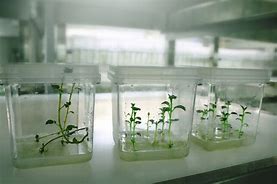


The Plant Tissue Culture Laboratory is a fully controlled, sterile, and contamination-free environment where researchers and students receive training in the fundamental principles and practical techniques of plant tissue culture. Under strict adherence to hygiene and laboratory safety standards, trainees learn essential procedures including:
-
Preparation and selection of plant explants
-
Surface sterilization of plant materials
-
Proper washing and sterilization of culture vessels
-
Preparation of plant nutrient culture media
-
Sterilization of culture media
-
Aseptic transfer of plant explants into culture media
-
Transfer of cultured vessels to controlled growth rooms
With a global population growth rate of approximately 1.14% and the annual addition of nearly 80 million new consumers of agricultural products, the challenge of food security continues to intensify. Therefore, the adoption of modern technologies to enhance both the quantity and quality of plant production has become essential.
One of the most effective modern approaches is plant tissue culture technology. This method enables rapid and large-scale propagation of various industrial, medicinal, rangeland, agricultural, and horticultural plant species. Additionally, plant tissue culture provides a valuable platform for the conservation and preservation of endangered species and rare genotypes.
This technique is particularly useful for plants that are difficult to propagate through conventional methods. Moreover, plants produced through tissue culture are typically pathogen-free. Notably, meristem culture is an effective method for eliminating plant viruses and producing disease-free planting material.