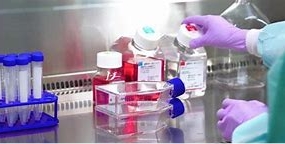


What is Cell Culture?
Cell culture is one of the most important techniques in cell and molecular biology, as it provides a controlled platform for studying the biology, biochemistry, physiology (e.g., aging), and metabolism of both normal (wild-type) and diseased cells.
Cell culture is a technique in which cells are isolated from animal or plant tissues and transferred into a suitable growth medium. Cells may be directly extracted from tissues and dissociated using enzymatic or mechanical methods before cultivation, or they may be derived from an already established cell line or cell strain.
Applications of Cell Culture in Cell and Molecular Biology
Cell culture is a primary tool in cell and molecular biology, offering an excellent model system for studying normal cellular physiology and biochemistry (e.g., metabolic studies and aging), the effects of drugs and toxic compounds, mutagenesis, and carcinogenesis. It is also widely used in drug screening and development, as well as large-scale production of biological products such as vaccines and therapeutic proteins.
A major advantage of cell culture is the consistency and reproducibility of results obtained from clonal cell populations.
1) Model Systems in Cell Culture
Cell culture is used as a model system to study basic cell biology and biochemistry, cell–pathogen interactions (e.g., bacteria and viruses), drug effects, aging processes, and aging-related stimuli.
2) Cancer Research in Cell Culture
Fundamental differences between normal and cancer cells can be studied using animal cell culture techniques, as both cell types can be maintained in vitro. Normal cells can be transformed into cancerous cells using radiation, chemicals, or viruses, enabling investigation of the mechanisms and causes of cancer. Cell culture is also used to identify drugs that selectively eliminate cancer cells.
3) Virology in Cell Culture
Animal cell cultures are used to propagate viruses for vaccine production, replacing the need for animal models in many cases. Cell culture is also employed for virus isolation, identification, and study of viral growth cycles and infection mechanisms.
4) Toxicity Testing in Cell Culture
Animal cell culture is used to evaluate the effects of new drugs, cosmetics, and chemicals on cell survival and growth—particularly liver and kidney cells. Cultured cells are also used to determine maximum permissible doses of new drugs.
5) Vaccine Production in Cell Culture
Cultured animal cells are used to produce viruses that serve in vaccine manufacturing. Vaccines for life-threatening diseases such as polio, rabies, chickenpox, measles, and hepatitis B are produced using animal cell culture systems.
6) Genetically Engineered Protein Production
Animal cell culture is used to produce commercially important genetically engineered proteins such as monoclonal antibodies, insulin, and hormones.
7) Tissue or Organ Replacement
Animal cell culture can be used to generate replacement tissues or organs. For example, artificial skin can be produced for burn and wound treatment. Research on artificial organs such as liver, kidney, and pancreas is ongoing. These studies often involve embryonic and adult stem cells, which have the ability to differentiate into various cell types and tissues. Controlling their growth and differentiation may enable treatment of numerous medical conditions.
8) Genetic Counseling
Cultured fetal cells obtained during pregnancy can be analyzed for chromosomal or genetic abnormalities using techniques such as Karyotype, aiding in early diagnosis of fetal disorders.
9) Genetic Engineering
Cultured animal cells can be used to introduce new genetic material (DNA or RNA) to study gene expression and its effects on cellular function. Insect cells are widely used for commercial protein production through infection with genetically modified Baculovirus systems.
10) Gene Therapy
Cultured animal cells can be genetically modified for gene therapy applications. Cells are first isolated from a patient lacking a functional gene. Functional genes are introduced into these cells, which are then expanded in laboratory conditions before potential therapeutic use.
Essential Equipment and Materials for Cell Culture
The specific equipment required depends on the research focus. For example, a mammalian cell culture laboratory dedicated to cancer research differs from an insect cell culture laboratory focused on protein expression. However, all cell culture laboratories share one critical objective: maintaining a pathogen-free environment.
Core Equipment in a Cell Culture Laboratory
-
Biological safety cabinet (laminar airflow hood)
-
CO₂ incubator
-
Water bath
-
Centrifuge
-
Refrigerator and −20°C freezer
-
Cell counter (e.g., automated cell counter or hemocytometer)
-
Inverted microscope
-
Cryopreservation containers or liquid nitrogen (N₂) storage system
-
Sterilization equipment (e.g., autoclave)
Advanced Equipment (Depending on Research Needs)
-
Aspiration pump (peristaltic or vacuum)
-
pH meter
-
Confocal microscope
-
Flow cytometer
Additional Supplies
-
Cell culture vessels (flasks, Petri dishes, roller bottles, multi-well plates)
-
Pipettes and pipettors
-
Syringes and needles
-
Waste containers
-
Culture media, sera, and reagents
-
Cell lines
Essential Components of Cell Culture Media
In addition to the basal culture medium, six primary components are required:
-
Carbon source (e.g., glucose)
-
Buffering system (e.g., HEPES)
-
pH indicator (e.g., phenol red)
-
Serum
-
Metabolites, vitamins, and minerals
-
Antibiotics